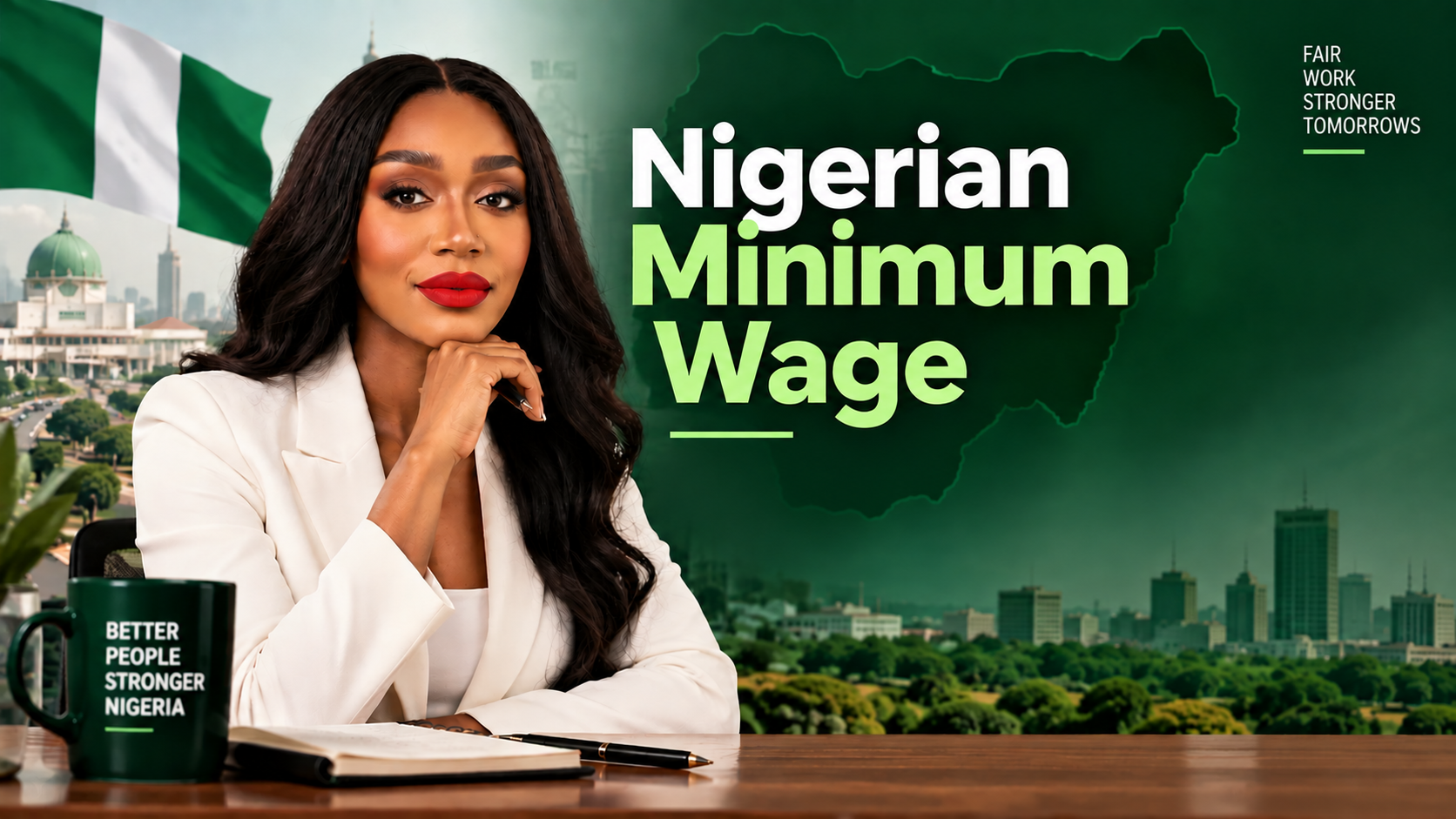
There has been a lot of talk about raising the Nigerian minimum wage to ₦300,000, which can make it sound like workers are already entitled to that amount. Unfortunately, they are not. The legal minimum wage is still ₦70,000. The ₦300,000 figure being discussed is a demand, not the current legal rate.
So what does the ₦70,000 minimum wage actually mean for workers, and how does it affect what an employer can legally pay you?
Let me be crystal clear: as of September 2026, Nigeria’s national minimum wage is still ₦70,000 per month. The ₦300,000 figure is a request that the Federal Workers Forum sent to the President and the National Assembly in early September. It hasn’t become law. Read the fact-check on the ₦300,000 demand.
How the Nigerian Minimum Wage Reached ₦70,000
Before 2024, the minimum wage was ₦30,000. Yes, thirty thousand naira. For a whole month. In July 2024, government, labour unions and employers negotiated a new figure, and the President signed ₦70,000 into law through the National Minimum Wage (Amendment) Act 2024. The Presidency announced the ₦70,000 agreement and three-year review cycle in July 2024.
₦70,000 is the lowest amount a covered employer may legally pay you each month. Your employer is free to pay you ₦150,000 or ₦1 million. What they can’t do is invent their own “company minimum” of ₦45,000.
Who Does the Nigerian Minimum Wage Cover?
Unfortunately, not everyone. The Act exempts any establishment that employs fewer than 25 people. So headcount matters a lot.
For example, Amaka works at a small design studio with 18 staff. Her friend Emeka works at a logistics company with 40 staff. Both earn ₦50,000. Emeka’s employer is likely breaking the law. Amaka’s employer falls under the small-business exemption, although it must still honour her agreed pay and other legal obligations.
I know that feels unfair. The reasoning is that very small businesses may not survive a fixed wage bill, so the law gives them room. You may disagree with that choice, but it’s worth knowing where you stand.
The Act also excludes some part-time workers paid by commission or piece-rate, seasonal workers like those in agriculture, and people working on ships or aircraft covered by other laws. The Minister of Labour can also grant further exemptions through an official government notice.
Why Your Bank Alert Might Show Less Than ₦70,000!
This one confuses a lot of people. The law says your employer must pay you at least ₦70,000, subject to statutory deductions. That means lawful deductions such as your pension contribution can come out before the money reaches your account.
- If your contract says ₦70,000 and your alert shows ₦64,400 after your pension contribution, that can be perfectly legal.
- If your contract says ₦55,000 and your boss says “but we give you lunch,” that is below the legal minimum if the employer is covered by the Act.
“But I Signed an Agreement for Less…”
This is my favourite part of the law, because it’s so direct. For workers covered by the Act, any agreement to pay below the minimum wage is void. In plain English, it has no legal effect, as if it was never signed.
Why would the law be this strict? Because lawmakers know that when jobs are scarce, people sign whatever is put in front of them. The law protects you even when you feel you had no choice. So if your employer says, “Sign this letter accepting ₦50,000, everybody here did it,” your signature doesn’t cancel your right to ₦70,000.
What If Your Employer Pays Less?
Paying below the minimum is an offence under the Act. An employer can be ordered to pay your arrears (the money they owed you but didn’t pay), along with extra penalties and fines. You also have options. You can take your case directly to the National Industrial Court, or make a formal complaint to the Minister of Labour and Employment. If you belong to a union, your union can act for you.
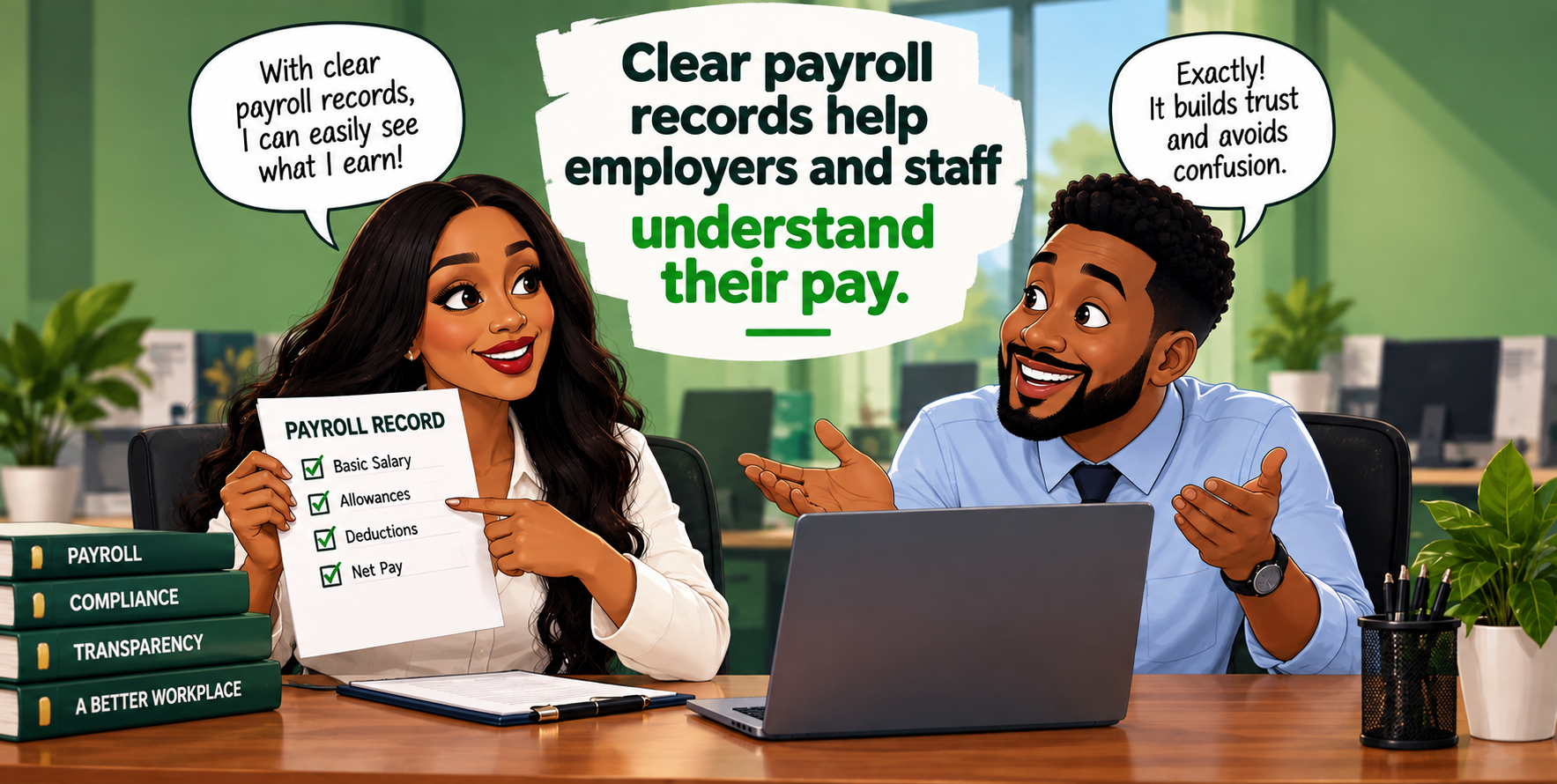
Employers must also keep payroll records for three years, and labour inspectors can demand to see them. Failing to keep those records is a separate offence, with a fine of up to ₦75,000, plus up to ₦10,000 for every day it continues. So “nobody will find out” is a risky plan for any employer.
What About States Paying More?
Some state governments pay their workers above ₦70,000. For example, Lagos announced an ₦85,000 minimum wage in October 2024. That’s great news for those workers, but it doesn’t change the national floor for everyone else. The Journal
When Could the Nigerian Minimum Wage Change?
The 2024 amendment shortened the review cycle from five years to three, which puts the next statutory review around July 2027. Labour groups are already pushing hard for a bigger figure before then. Akelicious
Until a new law is passed, ₦70,000 remains the number that counts. Headlines, press conferences and union demands can all shape the next figure, but only a change in the law updates your legal entitlement.
Why This Matters to You Every Single Month
Your salary pays your rent, your transport fare and your family’s food, so every naira of it matters.
Knowing the real rules means you can spot underpayment, ask the right questions calmly, and push back with confidence instead of guesswork.
Your Next Step
Look at your contract and your last payslip tonight. Count roughly how many people actually work at your company. Then share this post with a friend, a colleague, or that cousin who just got their first job. The more of us who know the law, the harder it becomes to ignore it.
Need help checking your payroll?
If you have questions about the Nigerian minimum wage or need a consultation, someone at Startpal will be happy to talk with you. Contact Startpal or email support@mystartpal.com to discuss your business’s payroll and the next steps.