You have probably stood at a shop counter waiting for a payment to go through while the person behind you starts getting impatient. When the confirmation arrives, you collect your purchase and move on. The law behind that transaction is probably the last thing on your mind.
In Kenya, that law is now up for a rewrite. The proposed Kenya payment bill could change the rules for the banks, mobile wallets and payment companies that help money move. If your business depends on those services, there is a reason to pay attention before the proposal becomes law.
The government has opened the draft for public comments, so businesses still have a chance to point out what might cause problems. Here is what the proposal is about, why it matters, and where to start reading.
What Could Change?
Kenya’s National Treasury and the Central Bank of Kenya, or CBK, published the draft policy and National Payment System Bill, 2026 for public consultation.
If the Bill becomes law, it would repeal the existing National Payment System Act, Cap. 491A, and replace it with a new framework. The proposal is still a draft, so these changes are not yet law.
The term “payment system” may sound distant from your daily work, but it includes services you use regularly. M-Pesa, banks, payment apps, merchant wallets and fintech platforms all sit inside Kenya’s payment ecosystem.
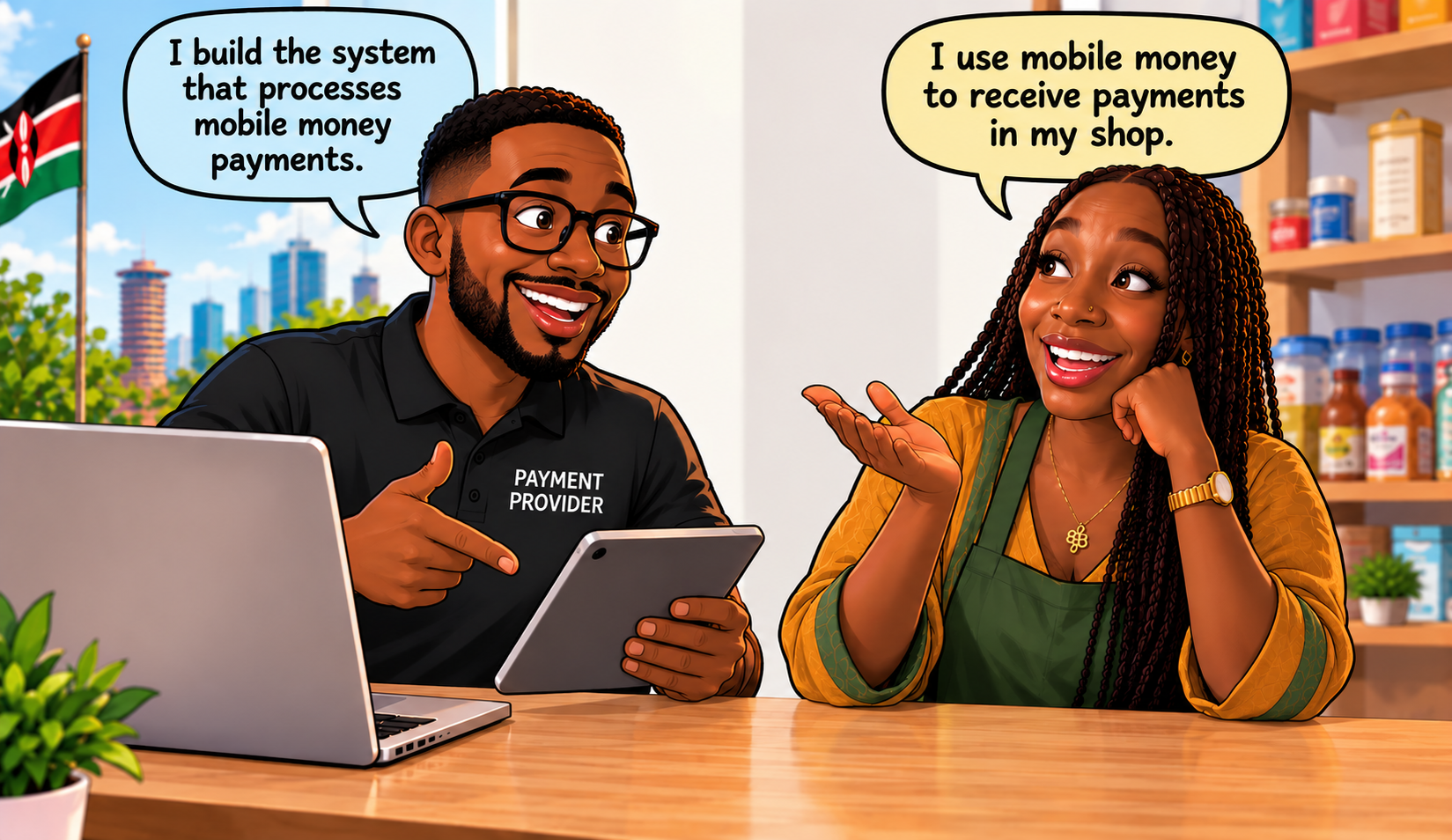
A payment provider and a shop accepting mobile money use that system in different ways. The draft’s definitions matter because they help determine which businesses would face direct duties. Using a payment service does not automatically make you a licensed payment provider. Check how your business uses payments and whether the draft covers the services you provide.
What It Could Mean for Your Business
The stated goals are broad. They include:
- better interoperability between payment systems;
- more competition and innovation;
- stronger financial inclusion;
- risk management and financial stability; and
- greater consumer and data protection.
Interoperability simply means different systems being able to work with each other. For example, it can let a customer send money between wallets run by different providers.
Those goals sound useful, but your next question is probably more practical: what would your business have to do differently?
This article explains the consultation and how to review it. For the proposed duties and exceptions, read the draft Bill itself. The public notice summarises the aims, but it cannot answer every question about your product. Broad goals can still translate into very specific obligations.
That raises a practical question about how the goals fit together. Interoperability and data protection can pull in different directions. Connecting systems means more data moving between more parties, while protecting data means tighter limits on that movement. Neither goal is bad, but the detail decides who pays. How the final law balances the two could shape product design for years, so check how the draft treats both.
Have Your Say Before the Rules Change
The official public notice schedules forums from 28 September to 9 October 2026. It sets Friday, 9 October 2026 as the deadline for written comments. Check the notice for the venue and date before travelling to a forum.
Use the comments template provided on the CBK or Treasury website. You can email your submission to paymentslawreview@centralbank.go.ke, or use the postal or hand-delivery routes in the notice. Make sure it reaches the CBK by the deadline.
Once a Bill becomes law, businesses usually ask, “What do we need to change?” During consultation, the better question is, “Is there anything in this proposal that could change how our business model works?”
Say your fintech handles millions of shillings in merchant payments every month. A single new rule about who may hold customer funds, how data must be shared or how payments must connect to other providers could force a redesign of your product. Raising that concern during consultation costs you a few pages of writing. Fixing it after the law passes could cost you months.
You don’t need to read every page like a novel. Try this approach instead:
- Start with the definitions, because they decide who the Bill actually covers.
- Look for what needs a licence or approval, and what the process might involve.
- Check anything about customer money, settlement and payment data.
- Note anything that could change how you connect with banks, wallets or other providers.
- Mark every sentence that makes you say “wait, what?” and turn each one into a comment.
If you lead a team, split the draft between legal, product, finance and compliance. Each person will notice different problems.
Unfortunately, a consultation doesn’t promise that the final law will reflect every comment. Governments weigh many views, and some won’t make it into the finished text. The proposals are still drafts, rather than new duties already in force. Your existing legal obligations continue to apply. Review the likely impact, but distinguish preparation from changes that a final law might require.
You may not have time to comment on every clause. A clear submission on the parts that affect your business can still explain a problem the final text should address. This isn’t only a story for Kenyan payment companies. Payment laws shape how quickly money moves, who can offer a service and what protections customers receive. Anywhere in the world, a rewrite of that framework is worth watching.
So if your business touches payments, wallets, settlement, merchant acquiring or payment data, read the consultation before the deadline and not after it. And if this helped, share it with a colleague in fintech or compliance who may not have seen the notice yet.
Follow more developments in Startpal’s Regulatory News section.
Have questions or need a consultation? Someone at Startpal is happy to talk through your business and compliance concerns. Contact Startpal to arrange a conversation.