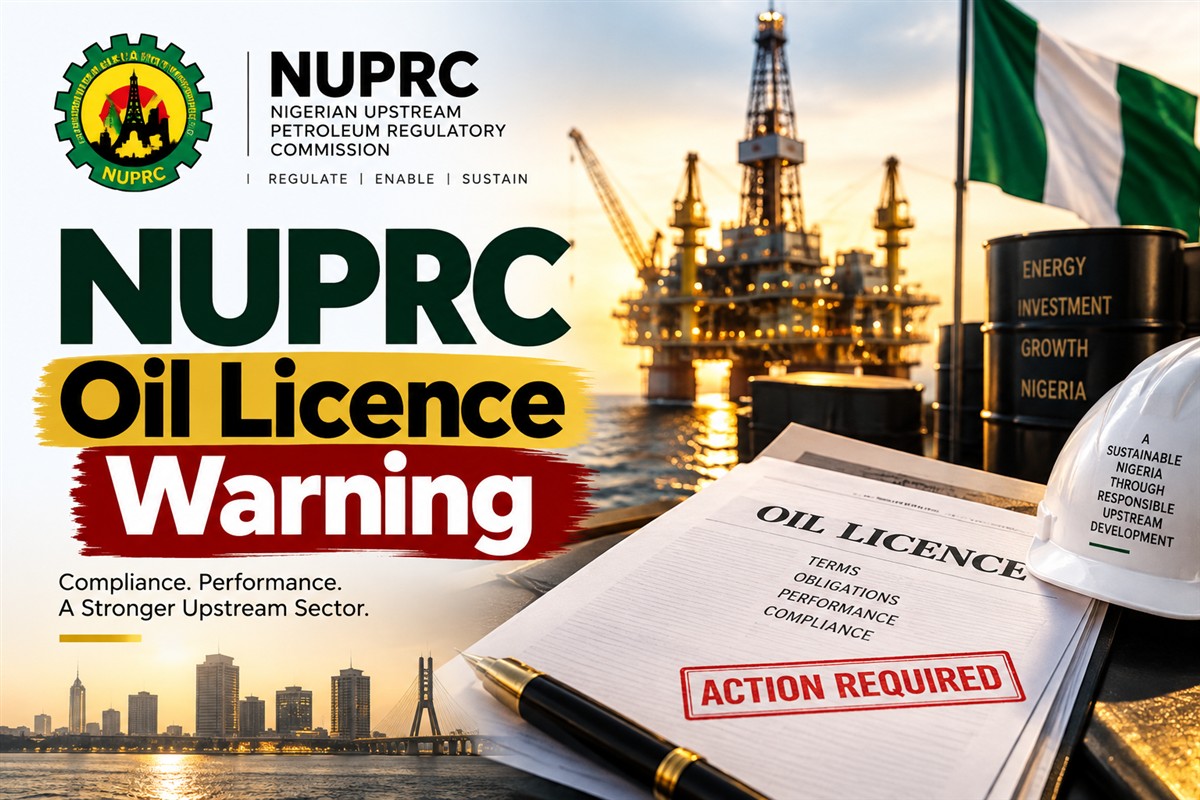
The latest NUPRC oil licence warning is a reminder that winning an oil block is only the beginning. Nigeria’s upstream oil regulator wants companies with stalled work to explain what they have done and what comes next.
According to reporting on the NUPRC circular, affected licence holders facing difficulties are encouraged to respond by 31 October 2026. They should explain their progress, the problems holding them back and their plan to get moving.
How Did This Happen?
The circular covers petroleum prospecting licences, or PPLs, awarded through three rounds: the 2020 marginal field round, the 2022/2023 mini bid round and the 2024 licensing round.
A PPL comes with a time limit. Section 77 of the Petroleum Industry Act 2021 sets out its duration. The available exploration periods depend on the terrain. An extension is not something a company can simply take for granted.
There are also promises attached to the licence. These include an approved work programme, such as the surveys and drilling the company agreed to carry out. Section 78 deals with those work commitments.
Then there is the Work Performance Security. This is like a financial backing for the promise to do the work. It can take the form of a guarantee rather than cash sitting in a deposit account. The exact terms matter.
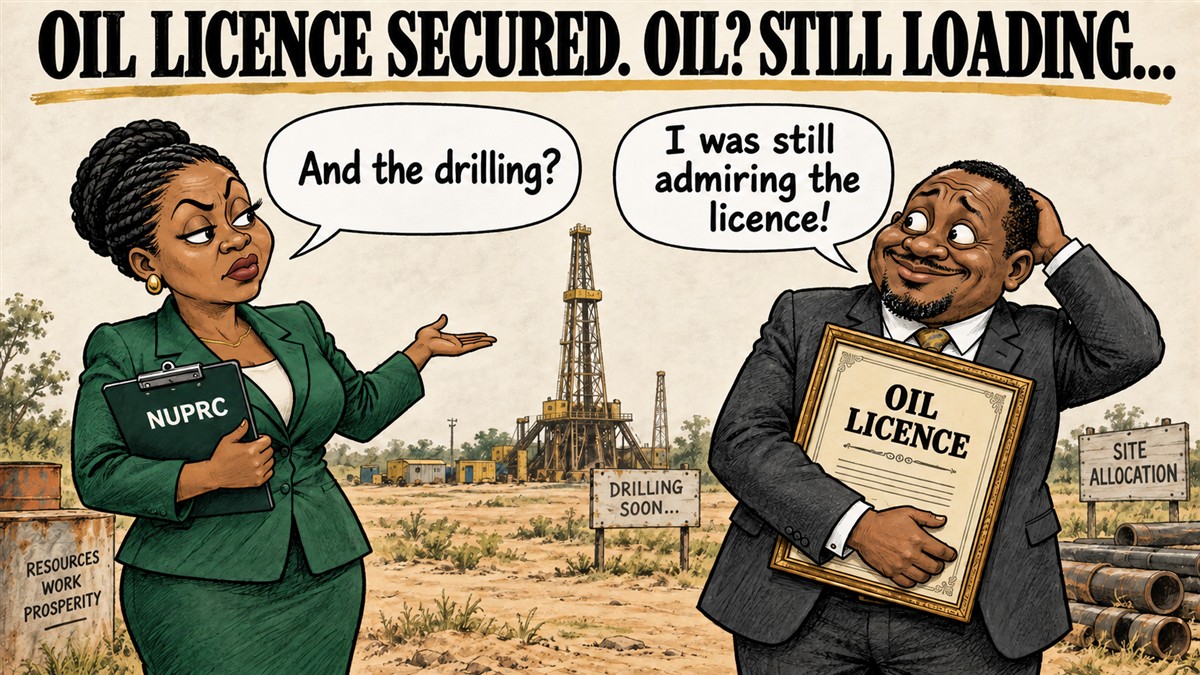
The NUPRC says the licence, its conditions, the concession contract, the work programme and the security must be read together. A licence is not a souvenir to keep on the shelf.
What Does the NUPRC Oil Licence Warning Require?
The circular, reference NUPRC/1127/VOL.13/55, was signed by the commission’s chief executive, Oritsemeyiwa Eyesan. Companies facing delays are asked to explain three things:
- How much of their licence obligations and approved work programme they have completed.
- The specific problems preventing further work.
- The steps they propose to take, with a revised timeline.
The regulator recognises that these problems can be real. Finance, access to drilling rigs, security, host-community issues, infrastructure, approvals and disagreements between partners can all slow a project.
However, a difficult project does not make the licence clock stop.
Is This Already a Cancellation Notice?
No. The circular is a general advisory, not a formal notice of default under the PIA. The regulator made that distinction clear.
It is a yellow card, not a red one. 31 October is the reporting date in this advisory, not an automatic cancellation date for every affected licence.
Still, the warning has teeth. Failure to meet obligations can lead to a refused extension, a requirement to return acreage, enforcement of the work security or the start of revocation proceedings. The applicable terms and legal process determine what happens.
Why Should Licence Holders Take This Seriously?
These projects involve serious money. Losing the right to work an acreage can put a company’s investment at risk. A call on its work security could also create a separate financial loss. Neither consequence should be treated casually.
The NUPRC is willing to help within its legal powers. But discussions with the regulator do not extend a licence, excuse missed obligations or replace the courts and agreed dispute procedures.
For Nigeria, idle acreage can mean lost production opportunities, jobs and revenue. That explains the push to turn licence awards into actual work.
For the companies involved, the next step is practical: check the licence documents, gather evidence of progress and put together a realistic recovery plan. A response to the NUPRC oil licence advisory needs more than a promise that things will improve.
Your oil licence gives you an opportunity. Keeping it means doing the work that came with it.
For more updates, explore our business compliance articles.