So you walk into a phone shop in Ikeja, buy a phone for ₦450,000, and everything looks fine. The phone comes on, the seller tells you it is original, and then you get home, put in your SIM, and suddenly, there is no network.
At first, you would probably think the phone is bad. But that might not actually be the problem.
The NCC DMS rollout is changing how phones are allowed to connect to Nigerian telecom networks, and if you buy, sell or import phones, this is something you really need to know about.
So what exactly is changing, and how do you make sure the next phone you buy does not leave you with an expensive device that cannot connect?
What Is the NCC DMS?
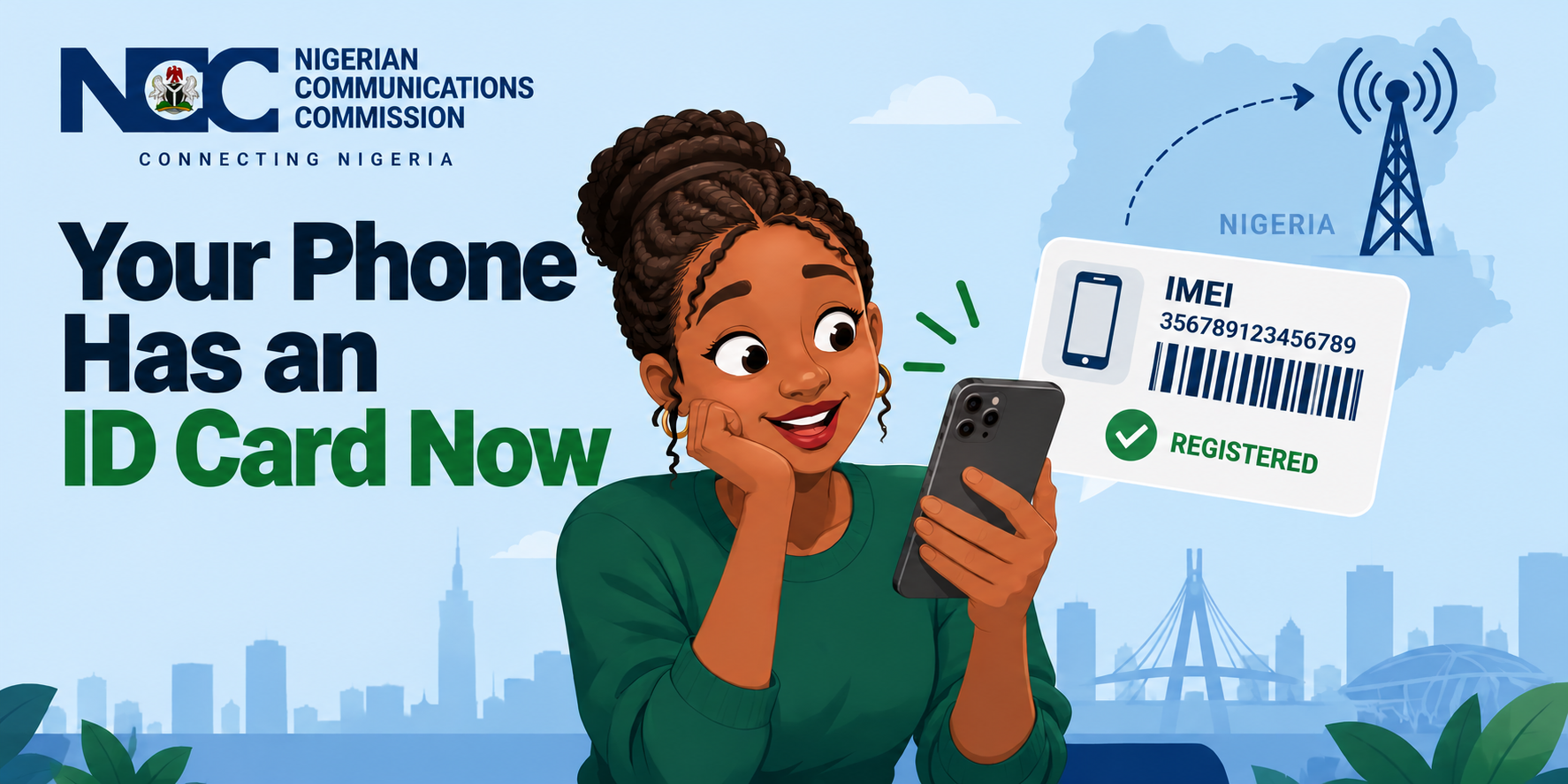
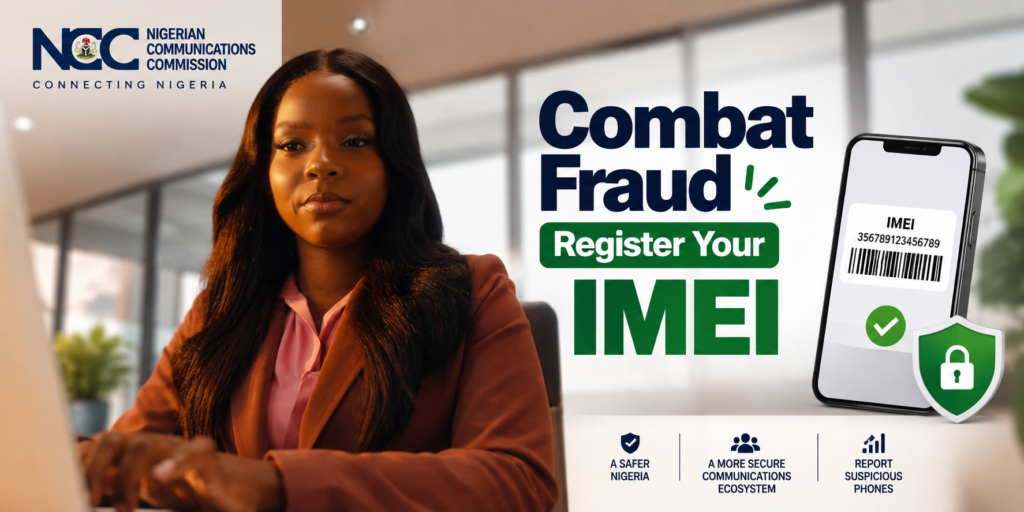
The Nigerian Communications Commission (NCC) is rolling out a Device Management System, or DMS. This is a digital register for phones and other SIM-enabled devices. Behind it is a Central Equipment Identity Register, or CEIR, and the key to all of this is your phone’s IMEI, which stands for International Mobile Equipment Identity.
It is a number that identifies the physical phone itself. On most phones, you can see yours by dialling *#06#.
NCC says SIM-enabled devices brought into Nigeria must be registered before sale and that unregistered devices will not be allowed to operate on Nigerian mobile networks.
The announcement describes a phased rollout. It does not give a single nationwide blocking date or a public IMEI-checking link. A phone losing network service can have other causes, so that alone is not proof that the device has been blocked.
Isn’t This Just SIM Registration Again?
Now, I know what you’re thinking. “Didn’t I already register my SIM?” You did, but this is a different thing. SIM registration asks, “Who is using this phone line?” The DMS asks, “What physical device is connecting, and is it properly recognised?” Here is an easy way to see the difference. You can move one SIM between five phones. The SIM stays the same, but the IMEI changes every time.
Is This Brand New?
Not entirely. Section 132(2) of the Nigerian Communications Act 2003 already requires equipment suppliers, manufacturers and licensed providers to get NCC Type Approval before selling or using communications equipment in Nigeria. That just means the regulator has confirmed a device meets the required standards.
What has changed is the enforcement. Instead of relying only on certificates and physical inspections, NCC can now check electronically. Its August 2024 Type Approval Business Rules laid the groundwork for the CEIR.
NCC DMS: What Happens If You Import or Sell Phones?
So Tunde imports 2,000 smartphones at ₦300,000 each, which is ₦600 million worth of stock. He tells himself, “They’re genuine phones, so we’re fine.” Unfortunately, genuine is no longer enough. The first phase covers devices imported going forward and also existing stock already sitting in warehouses. So “it came in before the rollout” will not save you.
For instance, a customer buys a phone, inserts a SIM and gets nothing. She returns to the retailer, who calls the distributor, who calls Tunde. Nobody wants that call while sitting on ₦600 million of inventory.
If you import, here is where I would start:
- Count your stock properly, including models, quantities, suppliers and which devices are SIM-enabled.
- Check the Type Approval position for each model. Do not assume nothing has changed just because you have imported it for years.
- Ask your overseas supplier to confirm the device information is accurate.
- Never wait until the phones are sold to find out whether they can be registered.
If you’re a retailer, review your suppliers. Ask who confirms compliance, and who carries the loss if stock fails registration. Put that answer in your written agreement.
Why Is NCC Doing This?
NCC wants to spot non-compliant devices, illegal imports, suspicious identifiers, and stolen phones that should be blocked. That last one matters a lot. Today, a thief can steal a phone, swap the SIM and resell it. But if that phone’s IMEI is barred across Nigerian networks, changing the SIM does not help. The phone itself becomes the problem.
Earlier NCC planning documents also flagged cloned and duplicated IMEI numbers as a way illegal devices sneak in. So sourcing from credible manufacturers is no longer only about quality. It is now a regulatory risk.
If You Are Buying a Phone
You do not need to start interrogating every phone seller before you buy a phone. But if someone is selling a phone for ₦150,000 and the same phone is going for around ₦400,000 everywhere else, that should make you pause a little.
The phone might look perfectly fine. It might switch on, charge properly and even seem like a great bargain. But that does not automatically mean everything is okay with it. The phone’s identifier could be linked to a device that was reported stolen or flagged somewhere.
So yes, price matters, but where you are buying from matters too.
Try to buy from a seller you trust, ask questions about where the phone came from, and please keep your receipt. That small piece of paper might become very important later.
Can NCC Read My WhatsApp Now?
I can already hear the voice notes being forwarded. So let me be crystal clear. According to the Commission, the NCC DMS exists solely for device identification and Type Approval compliance. It stores identifying information such as IMEI numbers, but gives NCC no access to your device’s contents and no ability to monitor your personal communications.
So your messages, photos and emails are outside what this system is meant to see. It looks at the device, not at what you do with it.
Why This Matters to You!
Whether you sell phones or simply own one, this touches your daily life. For honest businesses, it’s good news: counterfeit and illegal imports get harder to hide, and compliant importers stop competing against people who dodge the rules.
For you as a buyer, it means more confidence in what you are paying for. Stolen phones also become far less valuable, which is a win for all of us.
The days of importing a container of phones and worrying about compliance later are ending. So before the next phone changes hands, ask one simple question: “Is this device on the register?”
If this helped, share it with a friend who sells phones or is about to buy one. A little knowledge can save somebody ₦450,000.
More on business compliance
For another side of digital compliance, read why customer data is a legal responsibility. Find more updates in Regulatory News.
Need help with your next steps?
If you have questions about what this means for your business or would like a consultation, someone at Startpal is happy to talk. Get in touch with Startpal or email support@mystartpal.com to discuss your next steps.